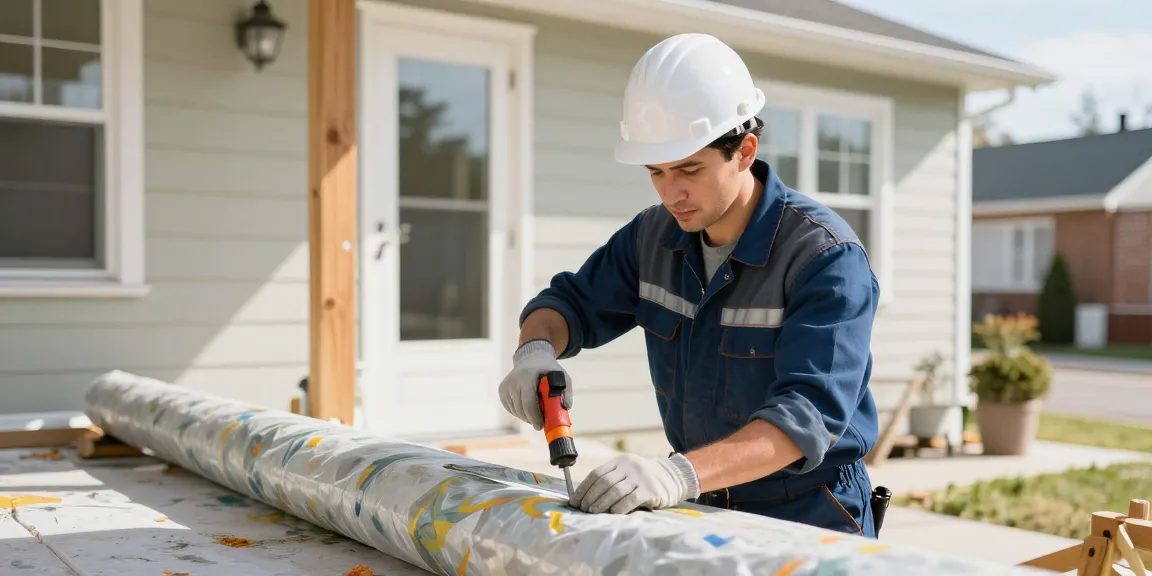
Understanding the Need for Insulation Removal in Ottawa
Many homeowners in Ottawa may not be fully aware of the significant impact that older insulation can have on their homes. Over time, insulation can deteriorate, trapping moisture, and potentially harboring harmful contaminants, including asbestos. Addressing these issues through proper Insulation Removal Ottawa services is crucial to safeguarding your home’s health and efficiency. In colder climates like ours, effective insulation is not just about comfort; it’s about maintaining a safe and energy-efficient environment for your family.
What Types of Insulation Are Commonly Removed?
In Ottawa, older homes often contain various types of insulation that may need removal, including:
- Fiberglass Insulation: Commonly found in attics and walls, it can become ineffective when wet or damaged.
- Foam Board Insulation: This rigid insulation type can suffer from moisture damage and pests.
- Cellulose Insulation: Made from recycled paper, cellulose insulation is susceptible to mold if exposed to moisture.
- Asbestos Insulation: Particularly in homes built before the 1980s, asbestos poses serious health risks and requires specialized handling.
Key Indicators Your Home Needs Insulation Removal
There are several tell-tale signs that indicate it’s time to remove old insulation from your home:
- Mold Growth: Visible mold on insulation can be a health hazard and indicates the presence of moisture.
- Pest Infestation: Rodents or insects can create damage and contamination in insulation materials.
- Heating and Cooling Inefficiency: Noticeable drafts or high energy bills can signal a loss of insulation effectiveness.
- Asbestos Symptoms: If your home has asbestos and you experience symptoms like coughing or respiratory issues, it’s crucial to act quickly.
Health Risks Associated with Old Insulation
One of the most significant concerns regarding old insulation is the potential health risks, particularly the presence of asbestos. Asbestos fibers can cause serious respiratory conditions, including asbestosis and mesothelioma, when inhaled. Additionally, mold from damp insulation can lead to allergies and other health issues. For these reasons, relying on experienced professionals for insulation removal is vital to ensure safety and compliance with health regulations.
Choosing the Right Insulation Removal Provider
Selecting a reputable insulation removal company is essential for ensuring the safety and quality of the job. Here are critical factors to consider:
What to Look for in a Local Service Provider
When searching for insulation removal services in Ottawa, you should prioritize these features:
- Experience: Look for providers with a proven track record in insulation removal.
- Specialization: Ensure they have extensive knowledge of handling hazardous materials like asbestos.
- Customer Service: Choose a company that provides clear communication and excellent customer support.
Verification of Certifications and Insurance
To protect yourself from liability, it’s imperative to work with licensed and insured companies. Request proof of certification related to safe insulation handling, especially when asbestos is involved. Moreover, contractors should provide general liability insurance and worker’s compensation insurance to cover potential accidents during the removal process.
Customer Reviews and Testimonials
Before making a decision, check online reviews and testimonials from previous customers. This feedback can provide valuable insights into the experiences of others and help you gauge the reliability and professionalism of the provider. Satisfied customers are often the best indicators of quality service.
Cost and Pricing Breakdown for Insulation Removal
Average Costs for Insulation Removal in Ottawa
The cost of insulation removal varies based on several factors, but homeowners can generally expect to pay between $600 to $1,200 for standard removal in a 1,500-square-foot home. For houses with asbestos, costs can escalate significantly due to the extra safety measures involved. Consult with your chosen provider for a precise estimate tailored to your specific situation.
Factors Affecting the Pricing of Insulation Removal
Several elements can influence the total cost of insulation removal:
- Type of Insulation: Certain materials may require special handling and disposal methods.
- Extent of Damage: If insulation is severely compromised, additional cleaning or repairs may be necessary.
- Accessibility: The location of the insulation, such as hard-to-reach spaces, can impact labor costs.
Understanding Estimates and Quotes
When receiving estimates, be sure to evaluate what is included in the quote. Check for detailed descriptions of the work to be done, materials to be used, and any additional charges. It’s advisable to get multiple quotes to compare services and costs effectively.
Best Practices for Insulation Removal
Why DIY Removal Can Be Risky
While some homeowners might consider DIY insulation removal to cut costs, this can pose serious risks. Improper handling of insulation, particularly if it contains asbestos or mold, can lead to significant health issues. Furthermore, inadequate removal practices can allow contaminants to spread throughout your home, compromising safety and air quality.
Step-by-Step Process for Professional Removal
Professionals typically follow a structured process for insulation removal:
- Assessment: Inspection of the property to identify the type and condition of insulation.
- Containment: Setting up barriers to prevent the spread of contaminants.
- Safe Removal: Carefully extracting insulation material using specialized equipment.
- Cleansing the Area: Thorough cleaning to eliminate any residual materials or contaminants.
- Disposal: Properly discarding insulation per local regulations.
What to Expect During the Removal Process
Expect a thorough walkthrough with your chosen provider before the job begins. They should outline the process, estimated time frame, and any precautions needed during the removal. Typically, the removal can take one to two days, depending on the extent of insulation being removed.
Aftercare and Maintenance Post-Removal
Importance of Proper Insulation Installation After Removal
After removing old insulation, it’s critical to install new, high-quality insulation to ensure your home maintains temperature control and energy efficiency. Modern insulation materials can significantly reduce heating and cooling costs, making it an investment worth considering.
Tips for Maintaining New Insulation
Once your new insulation is in place, consider the following maintenance tips:
- Regular Inspections: Periodically check your insulation, especially after heavy rains or extreme weather, to ensure it’s performing well.
- Seal Gaps: Ensure that all air leaks are properly sealed to maximize efficiency.
- Monitor Indoor Air Quality: Keep track of humidity levels to prevent moisture buildup that could compromise insulation effectiveness.
Emergency Services and Follow-Up Care
Some insulation removal providers may offer follow-up services or maintenance packages post-installation to ensure continued efficiency and safety. If you encounter any issues or suspect the presence of moisture or pests post-removal, contact your provider immediately for an emergency assessment.
Is insulation removal necessary for older homes?
Yes, if your home was built before the 1980s, it likely contains outdated insulation that could pose health risks, such as asbestos. Regular inspections can help identify these issues before they escalate.
How long does the insulation removal process take?
The duration can vary greatly depending on the size of the home and the extent of the insulation to be removed, but typically ranges from 1 to 3 days.
Are there eco-friendly insulation removal options available?
Many companies now offer eco-friendly methods for insulation removal and disposal, focusing on minimizing environmental impact while ensuring safety during the process.