Understanding Steel Roofing and Its Benefits
Steel roofing has steadily gained traction in the construction industry, primarily due to its durability and aesthetic appeal. Home and business owners alike are increasingly considering steel roofing as a viable option for their properties. With numerous options available in the market, it is crucial to understand why steel roofing stands out among traditional materials. When exploring options, steel roofing contractors provide comprehensive insights into the benefits that steel roofs can offer.
What Makes Steel Roofing a Smart Choice?
Steel roofing is known for its impressive resilience and longevity. Unlike traditional roofing materials, steel can withstand severe weather conditions, including high winds and heavy snowfall. Its resistance to corrosion and rust, particularly with galvanized and coated steel options, contributes to its extended lifespan, often exceeding 50 years with proper maintenance. Moreover, steel roofs are lightweight, making them easier to install without compromising structural integrity.
Comparing Steel Roofing to Traditional Options
When comparing steel roofing to traditional materials (such as asphalt shingles or wood shakes), several key factors come into play:
- Durability: Steel roofs are more robust against impacts, reducing the likelihood of needing frequent repairs.
- Fire Resistance: Steel roofs are non-combustible, providing an additional layer of safety for properties.
- Energy Efficiency: Reflective steel roofing can help manage heat absorption, leading to lower energy costs.
- Environmentally Friendly: Steel is 100% recyclable, making it a sustainable option compared to asphalt, which contributes to landfill waste.
Long-Term Benefits of Hiring Professional Steel Roofing Contractors
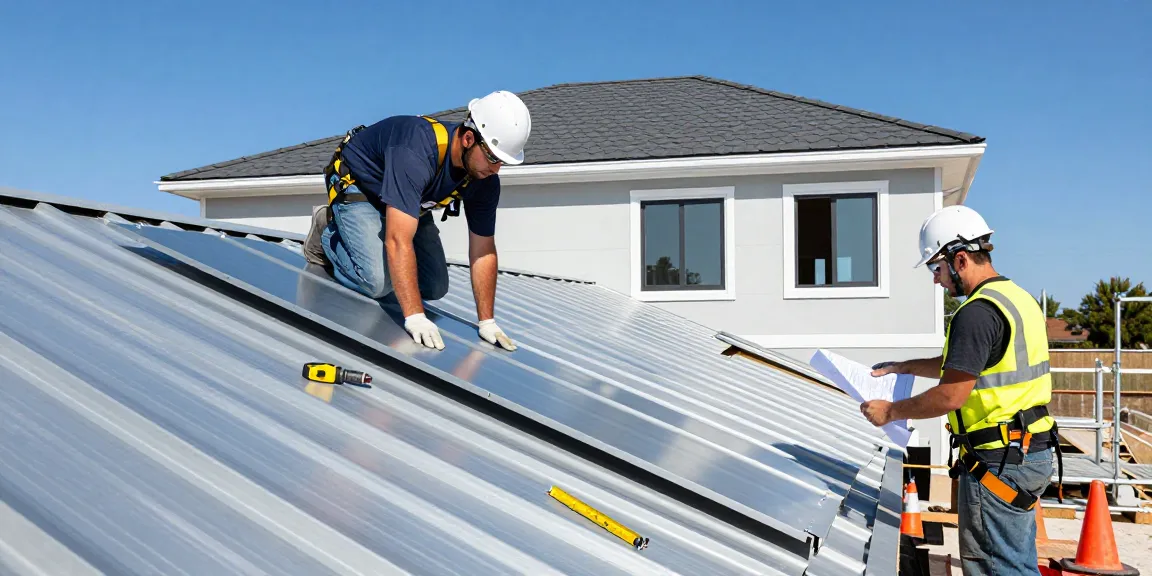
Hiring professional contractors specialized in steel roofing installation can significantly affect the overall performance and longevity of the roof. Professionals ensure that the installation meets all necessary standards and safety regulations. Additionally, their expertise can prevent common installation mistakes, ultimately saving time and money in repairs down the line. A well-installed steel roof can also enhance the property’s curb appeal, adding value to your investment.
Choosing the Right Steel Roofing Contractors
Finding the right contractors for your steel roofing project can seem daunting, but knowing what to look for can simplify the process. A reliable contractor should have substantial experience in installing steel roofing and be equipped with a solid reputation within the community. Customer reviews and referrals can provide valuable insights into their work quality.
Essential Qualities to Look for in Steel Roofing Contractors
When selecting a contractor, consider the following essential qualities:
- Experience: A contractor with a proven track record in steel roofing will be more familiar with the materials and processes involved.
- Certifications: Check if they have the necessary licenses and certifications, ensuring they comply with local regulations.
- Insurance: Ensure the contractor has liability insurance to cover any potential accidents or damages during installation.
- Warranties: Discuss warranty options for both materials and labor, which can provide peace of mind for your investment.
Questions to Ask Before Hiring Your Contractor
Before making a decision, it is prudent to ask potential contractors several key questions:
- What types of steel roofing materials do you recommend, and why?
- Can you provide references from previous clients?
- What is your estimated timeline for the project’s completion?
- How do you handle unexpected issues during installation?
Understanding Contractor Pricing Models and Quotes
Steel roofing projects can vary significantly in price based on several factors, including material choice, roof size, and complexity of the installation. When reviewing quotes, ensure they are comprehensive, covering material costs, labor, and any additional charges. It’s wise to obtain at least three quotes to compare prices and services effectively.
Installation Process of Steel Roofing
Understanding the installation process can help homeowners make informed decisions and communicate effectively with their contractors. A typical installation involves several stages, ensuring a durable and long-lasting roof.
Step-by-Step Guide to Installing Steel Roofs
The installation of steel roofing generally follows these steps:
- Preparation: The existing roof may need to be assessed for stability and potential repairs before installation.
- Framing: If necessary, additional framing may be added to support the steel roofing.
- Sheathing: A layer of plywood or oriented strand board is installed to provide a base for the roofing.
- Installation: Steel panels are laid and secured according to the manufacturer's specifications.
- Finishing: Flashing and trims are added to prevent leaks and to give a polished look.
Common Mistakes During Steel Roof Installation
Even experienced contractors can make mistakes, so being aware of common pitfalls can help minimize risks:
- Improper sealing of seams can lead to leaks.
- Incorrect installation of flashing may cause water damage.
- Failure to account for thermal expansion can lead to warping over time.
Tools and Equipment Needed for Successful Installation
Proper tools are essential for a successful steel roof installation. Commonly used tools include:
- Metal shears: For cutting panels to size.
- Drills and fasteners: To secure panels and flashing.
- Safety equipment: Including harnesses and helmets for worker safety.
Maintenance Tips for Steel Roofing
While steel roofs require less maintenance than traditional materials, regular care is still essential to prolong their lifespan. Here are some maintenance tips for homeowners:
Regular Maintenance Practices to Extend Roof Life
Conducting periodic inspections and maintenance can prevent costly repairs:
- Clean gutters and downspouts regularly to avoid water damage.
- Inspect for rust or scratches and perform touch-ups as needed.
- Check for loose panels and fasteners, tightening them if necessary.
Identifying Common Issues with Steel Roofing
Recognizing potential issues early can save homeowners significant costs. Common problems include:
- *Rust and corrosion* can occur if the protective coating is compromised.
- *Leaks* may develop at seams or due to poorly installed flashing.
- *Punctures* or dents can damage the roof if heavy debris falls.
How Professional Contractors Can Help with Maintenance
Engaging professional contractors for regular maintenance can ensure that your steel roof remains in optimal condition. They can provide routine inspections, address issues promptly, and recommend appropriate solutions tailored to your specific roofing system.
Future Trends in Steel Roofing for 2026
The steel roofing industry is continually evolving, with new materials and technologies emerging. Homeowners and contractors should stay informed about upcoming trends that may influence their choices.
Innovative Materials and Technology Advancements
Future advancements may include:
- Improved Coatings: New weather-resistant coatings can enhance durability and reduce maintenance needs.
- Integrated Solar Solutions: Solar roofing materials may become more mainstream, allowing for energy generation without compromising aesthetics.
- Advanced Insulation Options: Better insulation materials can improve energy efficiency, further lowering heating and cooling costs.
How Sustainability is Influencing Steel Roofing Choices
As sustainability becomes increasingly important, steel roofing is positioned as an eco-friendly option. Innovations in recycled materials and sustainable manufacturing practices are gaining traction, appealing to environmentally-conscious consumers.
The Role of Steel Roofing in Modern Architecture
Steel roofs are being used creatively in modern architectural designs, offering sleek lines and contemporary appeal. Designers are incorporating steel roofing to complement various styles, from industrial to minimalist. This versatility enhances buildings’ aesthetics while ensuring they remain functional and durable.
What are the advantages of steel roofing?
The advantages of steel roofing include durability, energy efficiency, fire resistance, and a long lifespan with lower maintenance requirements. Its versatility in design options allows it to fit various architectural styles.
How do I choose the best steel roofing contractor?
To choose the best contractor, look for those with experience, proper certifications, good reviews, and a strong reputation in the community. Ask for references and ensure they offer warranty options for their work.
What maintenance does a steel roof require?
Steel roofs require regular inspections, cleaning of gutters, and touch-ups on any damaged areas to combat rust and corrosion. Periodic professional maintenance is also recommended for long-term upkeep.
How long does a steel roof last?
With proper installation and maintenance, a steel roof can last 40 to 70 years, depending on the material and environmental conditions.
Are steel roofs energy-efficient?
Yes, steel roofs are energy-efficient, especially when coated with reflective materials that help reduce heat absorption, leading to lower cooling costs during hot seasons.